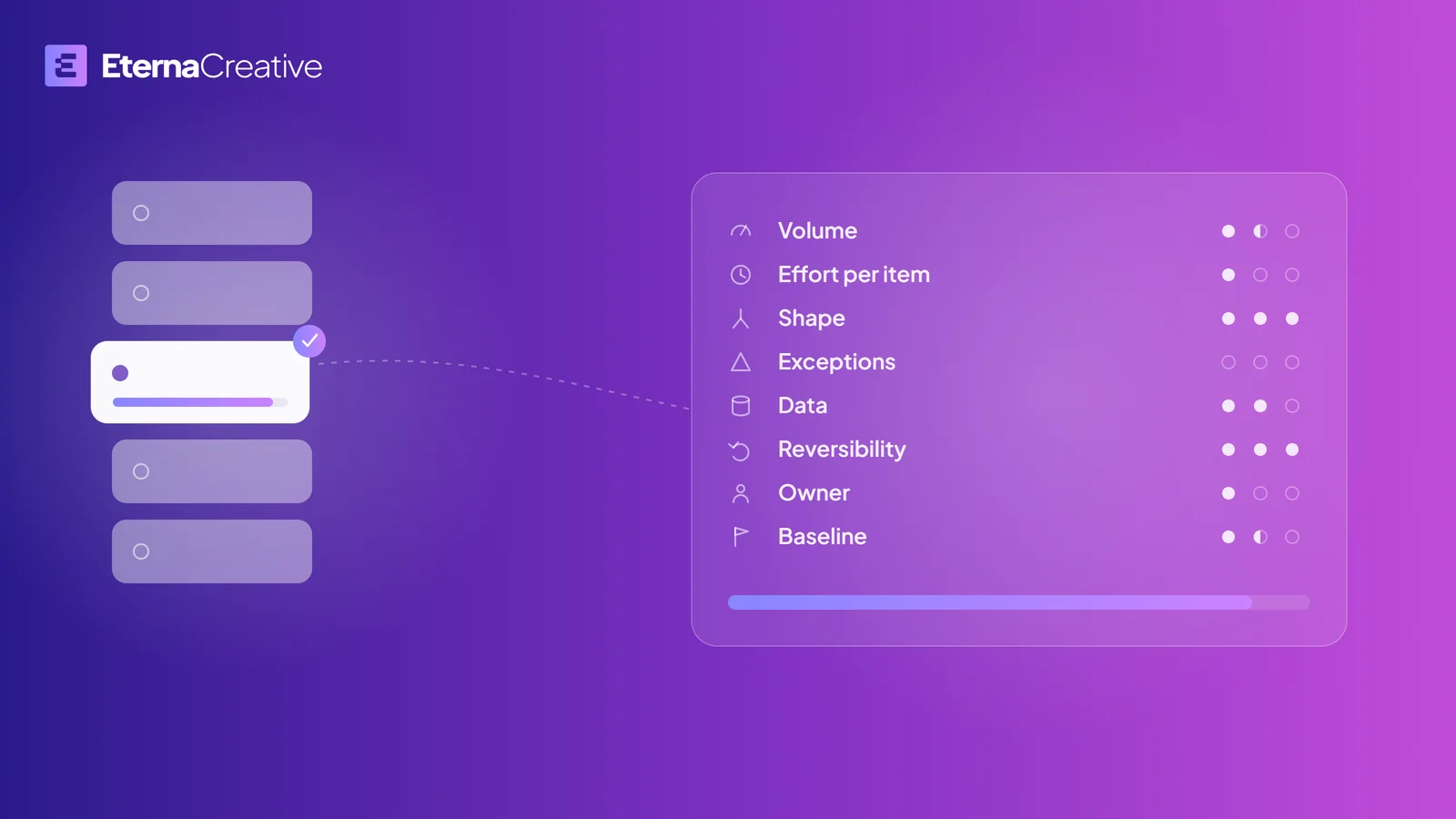
Pick the first process by scoring each candidate 0 to 2 on 8 questions: volume, effort per item, shape, exceptions, data, reversibility, owner, and baseline. Start with the highest total, and treat a zero on data or owner as a blocker. The best first pick is often boring: frequent, uniform, with a clear owner, and mistakes that cost nothing.
A costly mistake is a good build pointed at the wrong process. The process that annoys a team most is usually full of judgment calls, which is exactly why it resists automation. This guide gives you a score you can run yourself, on your own processes, before you pay for a build. To have the workflow built for you, see how we build automations.
The 8-question score
List 3 to 6 candidate processes. Score each one 0, 1, or 2 on every question below, add the scores, and start with the highest total. A zero on data or owner usually means not yet, whatever the total says, because both are blockers rather than difficulties.
| # | Question | 0 | 1 | 2 |
|---|---|---|---|---|
| 1 | Volume: how often does it run? | Rarely, or seasonally | Weekly | Many times a day |
| 2 | Effort per item: how long does one take a person today? | Seconds | A few minutes | Tens of minutes or more |
| 3 | Shape: how consistent is each item? | Every one is different | A few recognizable patterns | Nearly identical every time |
| 4 | Exceptions: what share needs judgment? | Most of it | A noticeable minority | A small, nameable set |
| 5 | Data: can a machine read the inputs today, fast enough, from one source of truth? | Paper, images, somebody's head, or systems that disagree with nobody deciding which wins | Mixed, some structured, or slow to query | Structured, fast to query, and one named system wins when two disagree |
| 6 | Reversibility: what does a mistake cost? | Money or a client relationship, hard to undo | Annoying, recoverable | Nothing that cannot be redone |
| 7 | Owner: is there one person who owns the process and will answer questions? | Nobody, or a committee | Someone, occasionally available | A named, engaged owner |
| 8 | Baseline: can you measure it today, before the build? | No number exists | Roughly, from memory | A number you can take now |
The maximum is 16. Read the pattern as well as the total, because a score only lets you compare candidates on the same questions. A process that scores 2 on volume and 0 on data is a data project first and an automation second, and the total alone would hide that.
Volume times effort is the size of the prize
For example, a task done 20 times a day at 30 seconds each is smaller than one done 5 times a day at 20 minutes each, even though the first scores higher on volume. Take both numbers from a real sample, not from memory, because a team's sense of its own workload is usually wrong.
Score from real items, not from a description
Scoring a description gives you a score for the description. Before you score, pull about 100 recent, unedited items the process handles: emails, tickets, orders, documents, invoices, or call recordings. If volume is lower, take everything from the last month. Unedited matters, because the tidy sample someone prepares for you is the wrong sample.
A real sample shows what nobody says out loud: how many exceptions there are, how many formats exist in practice, how much of the work is identical, and whether the data exists in a form a machine can read. It is also what makes an estimate defensible instead of a guess. If you cannot get a sample, treat that as a finding too. Any estimate given without one is a guess, and it is better to narrow the first scope than to buy on hope.
Shape: how consistent is each item?
Consistent items can be described by rules. Items that are all different need judgment, and judgment is the expensive part. Shape is about the work as it really arrives: a supplier invoice that comes in 3 layouts is a few recognizable patterns, and a free-text complaint that could mean 6 different things is not.
Exceptions: what share needs judgment?
Every process has exceptions, and the question is whether you can name them. A small, nameable set means you can list the cases that go to a person, such as a missing purchase order, an unusual customer, or a request outside the normal rules. Most of it means the exceptions are the process.
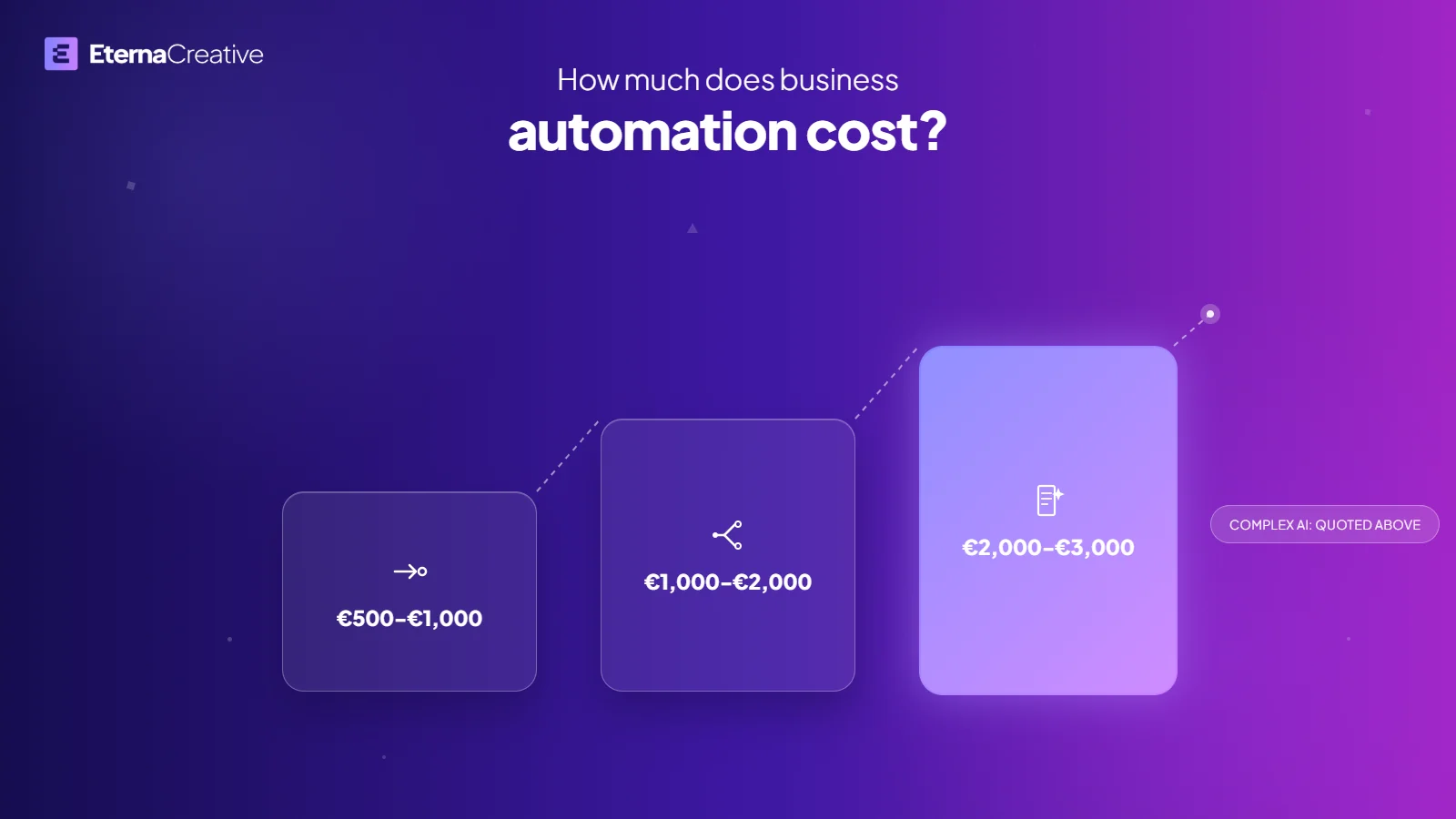
An automation can send exceptions to the right person with everything they need. It cannot remove the need for judgment. Exceptions and the number of formats are two of the things that move an automation between the public price ranges of €500 to €3,000, and the cost guide shows the rest.
Data: can a machine read the inputs today?
Paper, photos of paper, and information that lives in someone's head need a step before any automation: getting the information into a form a machine can read. That step can be the first project. Systems that disagree, with nobody deciding which one wins, also score 0, and data that is slow to query scores 1. A scanned document is not unusable, but it changes the build, because AI that reads documents needs checks before anything is saved. What AI document extraction accuracy really means explains why.
A zero on data is a blocker, not a difficulty. It does not say never. It says not until the inputs are readable.
Where the score tends to point
A process that needs judgment scores low on shape and exceptions, which is why the loudest process tends to lose: it hurts because it needs judgment, and that is also why it resists automation. The best first candidate tends to be frequent, uniform, owned by one person, and cheap to get wrong, so it is often boring. A high score with no baseline is still worth doing, but take the baseline first, or you cannot prove the result afterwards.
Here is a made-up example to show the pattern. It is not a client project.
| Candidate | Volume | Effort | Shape | Exceptions | Data | Reversibility | Owner | Baseline | Total |
|---|---|---|---|---|---|---|---|---|---|
| Customer complaint replies | 1 | 2 | 0 | 0 | 1 | 0 | 1 | 0 | 5 |
| Supplier invoice intake | 2 | 1 | 1 | 1 | 1 | 1 | 2 | 2 | 11 |
| Weekly client report | 1 | 2 | 2 | 2 | 2 | 2 | 2 | 1 | 14 |
The complaint replies feel like the biggest problem and score 5 of 16. They take the most effort per item, which is why they feel urgent, but shape and exceptions pull the score down. The weekly report is not exciting and scores 14. Start with the report, take what you learn to the invoices, and come back to the complaints when the first two have worked.
How to take a baseline before you start
A baseline is the number you will compare the result with. Take it before the build, write it down, and note who checked it. Choose measures that fit the process, such as how many items arrive each week, how long one item takes from start to finish, and how many need rework or a second touch. Time some real items instead of asking people to remember.
Without a starting number, an automation can work perfectly and you still cannot show it.
Why the first pick carries extra weight
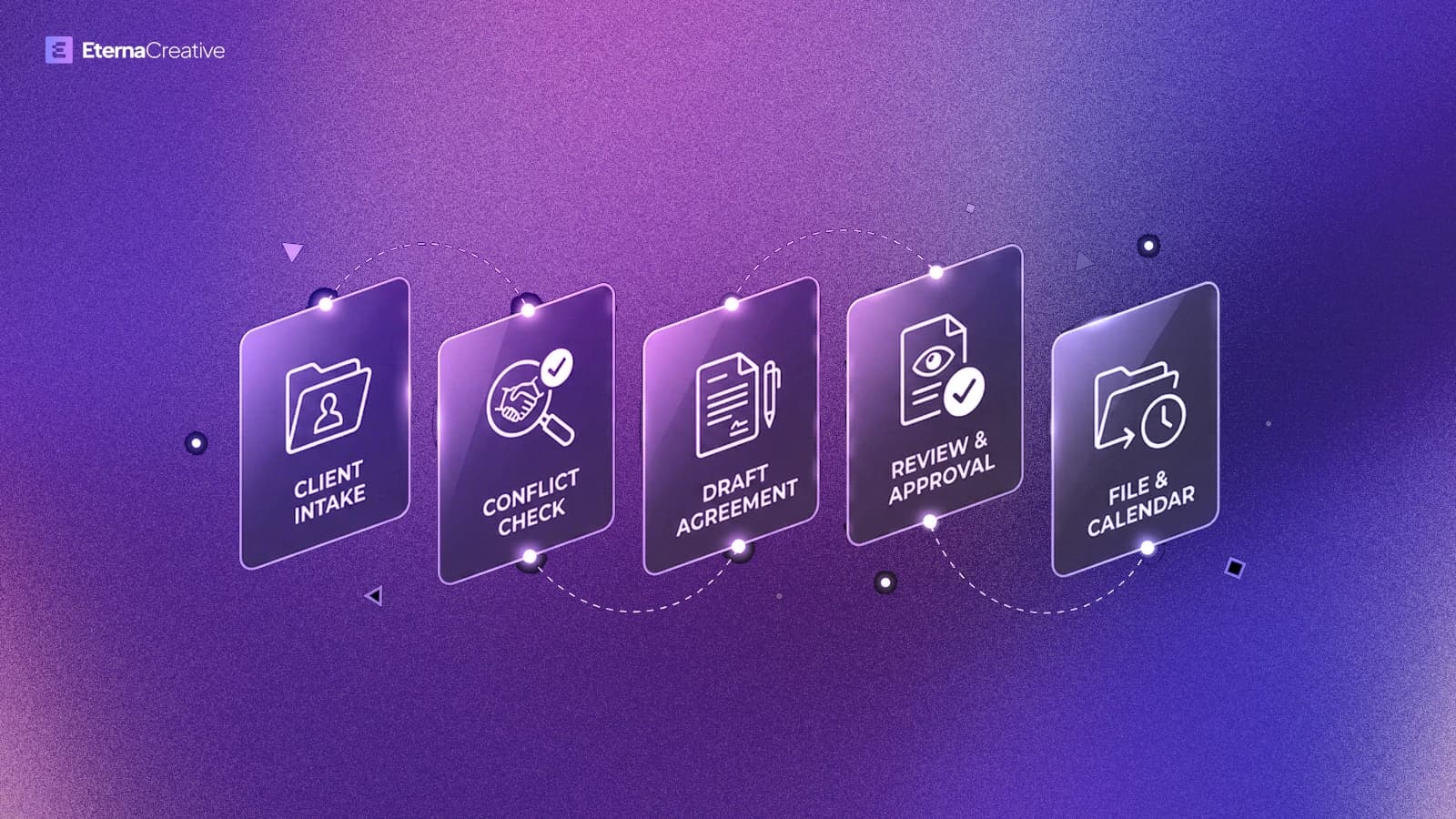
The first automation buys confidence for whatever comes after it, so favor the one that is certain and visible over the one that is large and impressive. The second can be more ambitious. For a sense of scale, Lead Agents, a client of ours, runs 12 live n8n systems, and about 15 hours of ops work a week is saved (checked with the client). Yours will be different. If you run a freight company or a law firm, the same logic applies to a monthly program, and you can see Freight Operations and Legal Operations. For law firms, the five automations to build first is a ready list of candidates.
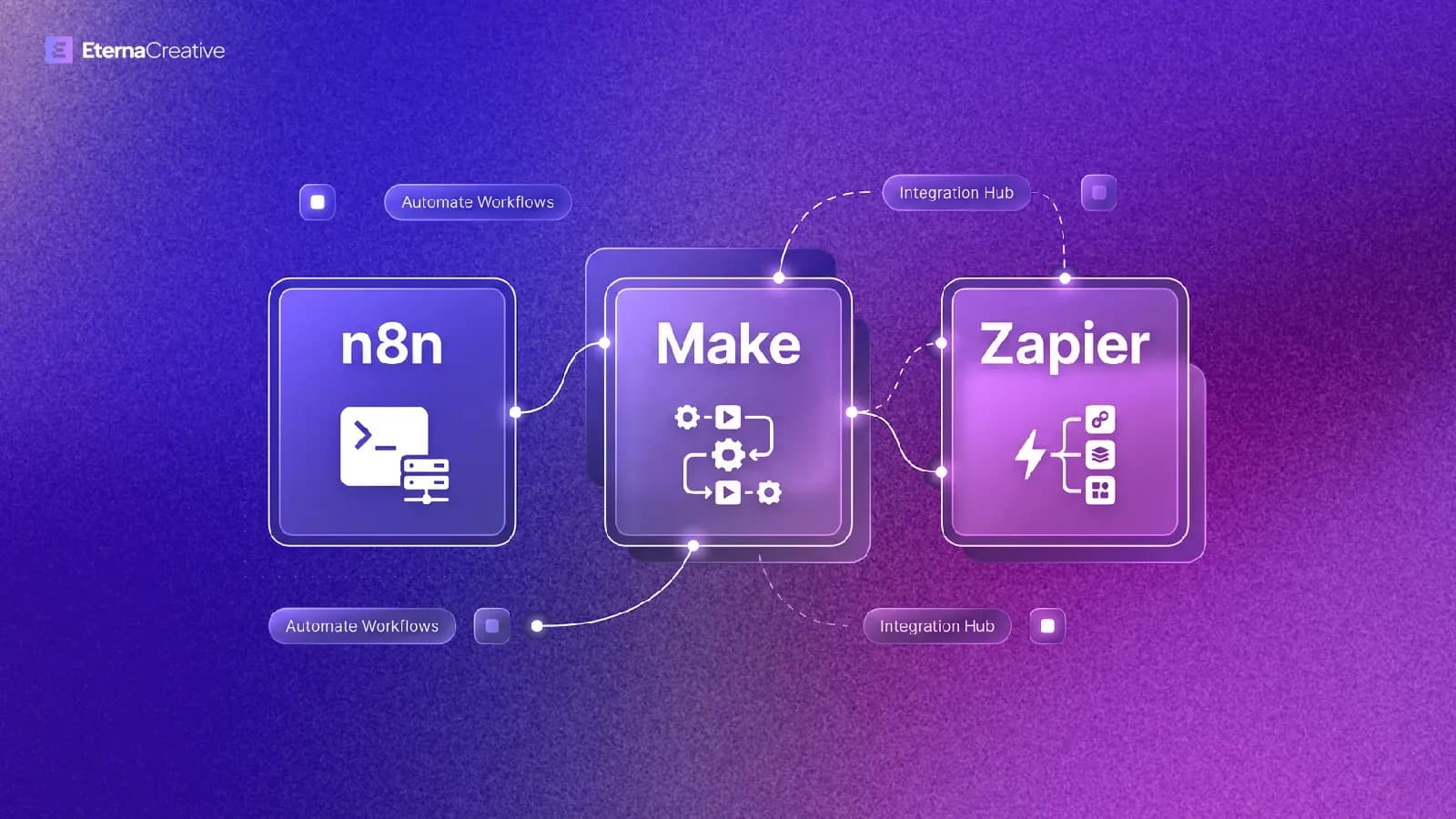
Choose the tool after you choose the process. n8n vs Make vs Zapier for business ops helps with the tool, and the cost guide shows what a build takes.
FAQ
Which process should you automate first? Start with the candidate that has the highest total on the 8-question score, checked against a real sample of about 100 items, unless it scores 0 on data or owner. It is usually frequent, uniform, owned by one person, and cheap to get wrong.
How many processes should you score? Score 3 to 6 candidates, then check the top ones against a real sample.
Why ask for about 100 real items? Ask for real items because a description scores the description. A sample of unedited items shows the real exception rate, how many formats exist, and whether a machine can read the data, which is also what makes a cost estimate defensible.
What if the process that annoys us most scores low? That can happen, because the loudest process often needs judgment, which makes it hard to automate. Start with a higher-scoring candidate and come back to the loud one once the first automation has worked.
What if a candidate scores high but has no baseline? Take the baseline first, then build. Otherwise the automation may work and you still cannot prove it.
What does a first automation cost? A single automation costs €500 to €3,000, in 3 ranges by complexity, and automations with complex AI are quoted above that. The cost guide shows what moves one into a higher range.
The verdict
Do not automate the process that annoys you most just because it annoys you most. Score 3 to 6 candidates on the 8 questions, check them against a real sample, take a baseline, and start with the certain, visible, and probably boring one. Then choose the tool and the build. If you want a second pair of eyes on your candidates, book a free audit call. To see how we build, start with how we build automations.