A focused first version of an app is often 4-6 weeks with us. The time is set by scope, not by the tool: a Bubble build and an AI-assisted custom build follow the same arc, from locked scope to structure, core workflow, hardening and launch. What adds weeks is what you add to version one.
TL;DR
- A focused first version (sign-in, the core records, one workflow, one dashboard) is often 4-6 weeks with us. That is our figure for our own process, not a market benchmark
- The tool matters less than scope. More roles, payments, integrations or a data import each add time
- Cut before you compress: a thinner version one beats a rushed full one
- Application work starts from €3,000, and a full product from €8,000, at a fixed price for the scope we agree
- After delivery, 2 weeks are free: 1 week of testing and 1 week of fixes
How long does it take to build a Bubble app?
For a focused first version, often 4-6 weeks with us (see how we build applications). “Focused” means a thin scope: sign-in, the core records, one workflow that does the job people pay for, and one dashboard. We do not quote that figure for a broader product.
The honest answer to “how long” is a question back: how much is in version one? Two builds on the same platform can differ by a wide margin, because one has three user roles, a payment flow, two integrations and a data import, and the other has none of those.
Bubble is a visual builder: you configure components and workflows instead of writing code. It bills app usage in workload units, which its own pricing page describes as the server resources needed to host, run and scale an app (Bubble pricing page, checked 22 September 2026). That affects what a live app costs to run, not how long version one takes.
Why we talk in weeks, not quarters
Traditional software projects drift because scope is vague and feedback arrives too late. A build stays on track when three things are true: the problem is validated, version one is thin, and someone owns decisions week by week.
Simple products can ship faster. Complex ones need more runway. The process stays the same either way.
What decides the timeline
Seven things decide how long a build takes. Most of them are decisions, not keystrokes.
| What decides the timeline | Why it adds time | How to keep it short |
|---|---|---|
| Scope of version one | Every extra screen, role or report is more to build, test and change | Write down what is out of scope, and hold to it |
| User roles and permissions | Each role needs its own screens and its own rules about who sees what | Start with one role plus an admin |
| Integrations | Each outside tool adds setup, error handling and testing | Keep only the one the core job needs |
| Payments and billing | Money paths need extra checks and care | Launch with the simplest payment flow that works |
| Data you already have | Importing and cleaning existing data is its own piece of work | Import a small clean set first |
| An AI step | It needs checks, a fallback and a cost estimate before it is safe to ship | Add one AI step, not several |
| How fast decisions come | Waiting for answers stalls a build more than any tool does | Name one person who decides each week |
The arc, phase by phase
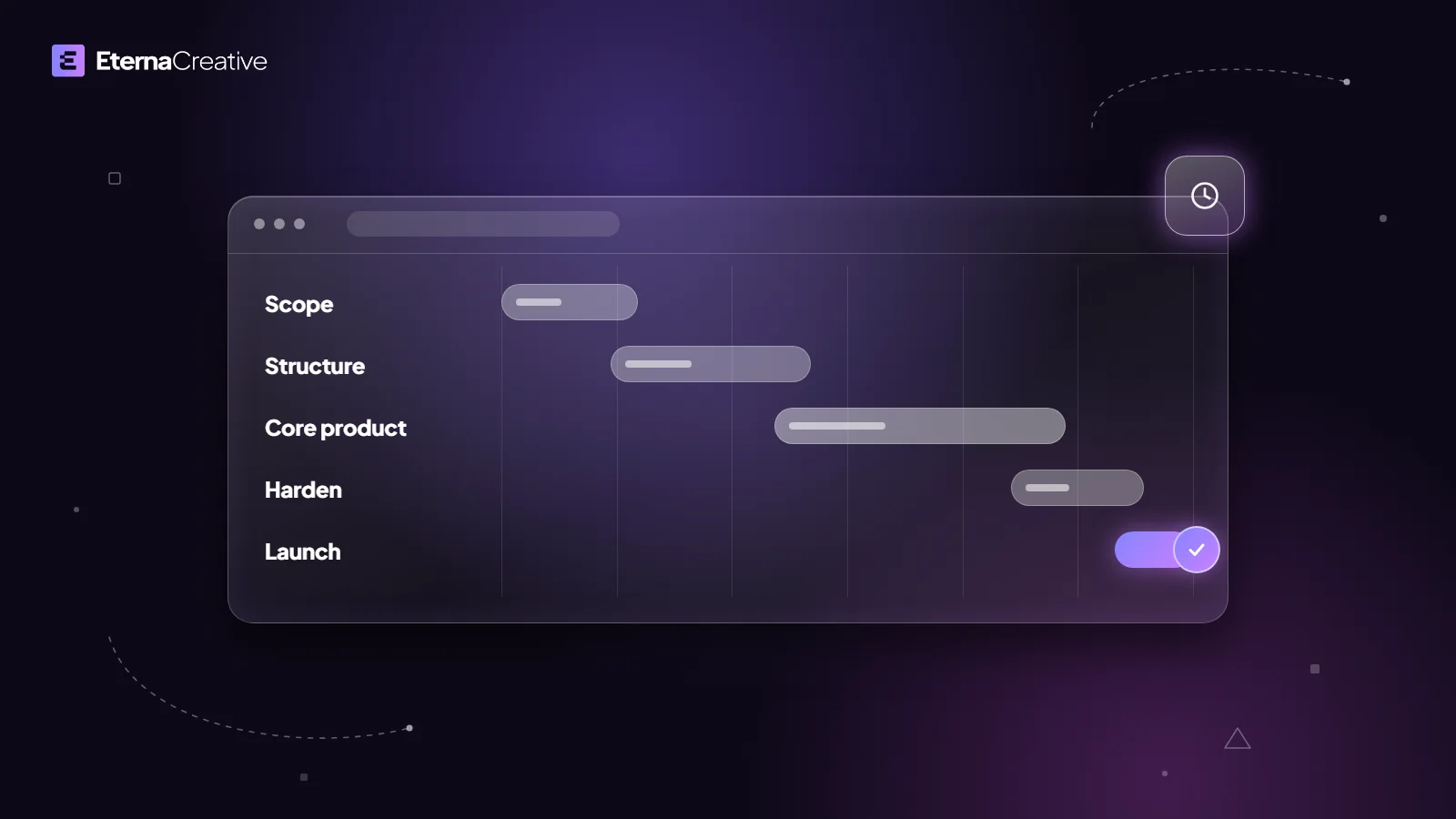
The same five phases apply on Bubble or on custom code. What changes is how much you can review at the end of each one.
Scope
Talk to users or stakeholders, write down user stories and how you will measure success, and lock a list of must-have features for version one. The free Blueprint is where scope, price and timing are written down and presented live, at a fixed price for the scope we agree. Anything not on the list waits.
It is also where we decide whether the right product is an application, a conversion website or an automation. Not every problem wants an app.
Structure
The data model, permissions, the key pages and the first clickable slices. This is where a bad assumption is cheap to fix.
Core product
The must-have workflow works end to end. Edge cases and polish wait unless they block the core job.
Harden
Testing, bug fixes, empty states, mobile checks and analytics. If you can, invite a small group of real users.
Launch
A go-live checklist, the domain, email, onboarding copy and a plan for the first week of support. Launch is a starting line, not a finish. After delivery, 2 weeks are free: 1 week of testing and 1 week of fixes. If something does not work as agreed, we fix it until it does.
What to cut first
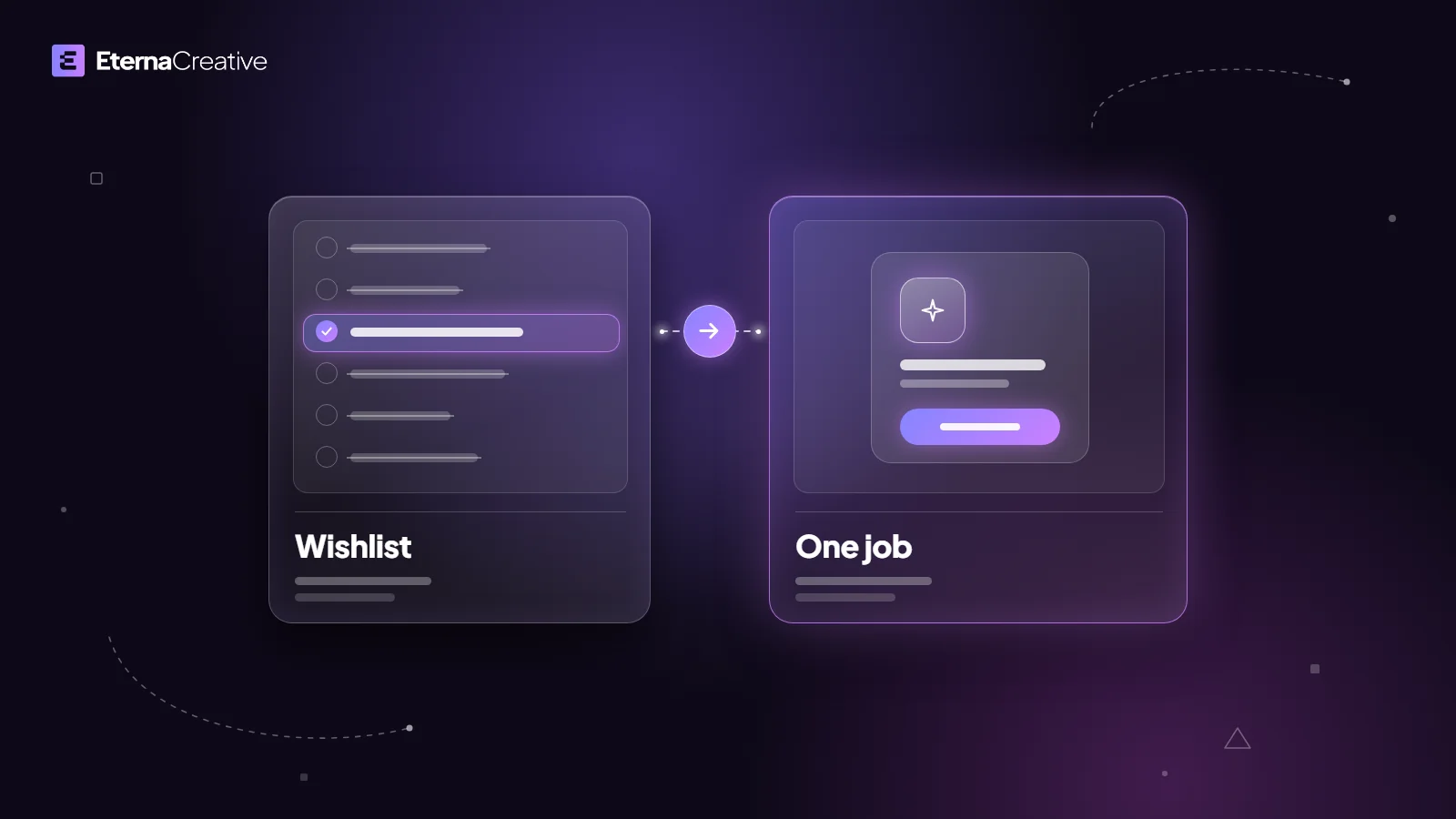
If the timeline is too long, cut scope before you cut testing. The usual first cuts:
- A second or third user role
- Admin dashboards beyond what you need on day one
- Notification settings and email preferences
- Extra languages
- More than one payment option
- Reports and exports nobody has asked for yet
- Integrations that are not part of the core job
If you cannot agree what version one is, start with shipping one feature that proves the product before you ask for a timeline.
Bubble or custom code: does the timeline change?
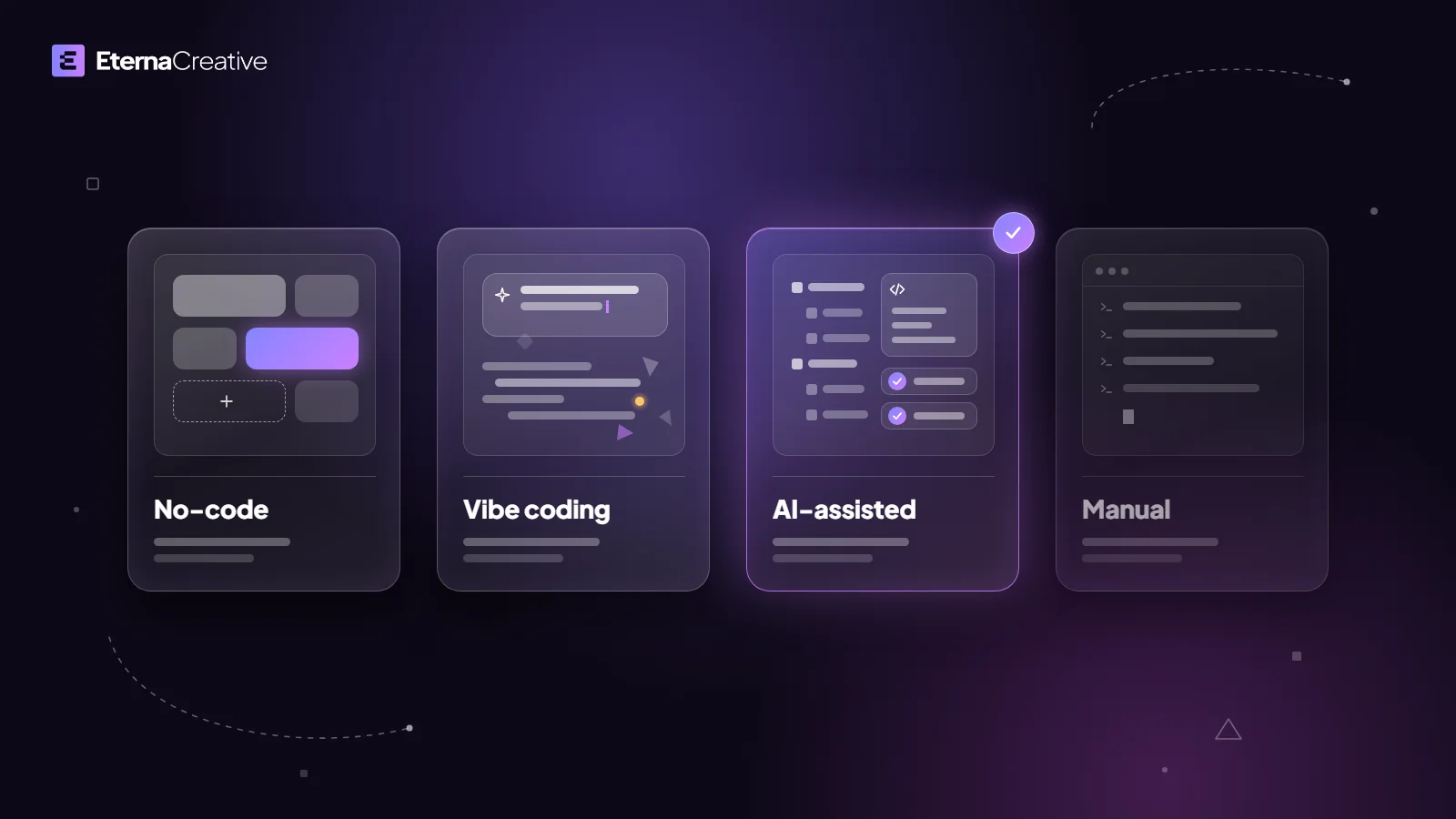
For a thin scope, less than you might expect. No-code and AI-assisted custom builds often land in overlapping weeks, and the gap that remains is ownership: what you can take with you and change later. We recommend AI-assisted custom code when you will keep and grow the product, and Bubble when speed to test or a smaller first budget comes first. We also migrate and rescue Bubble apps when that is the job.
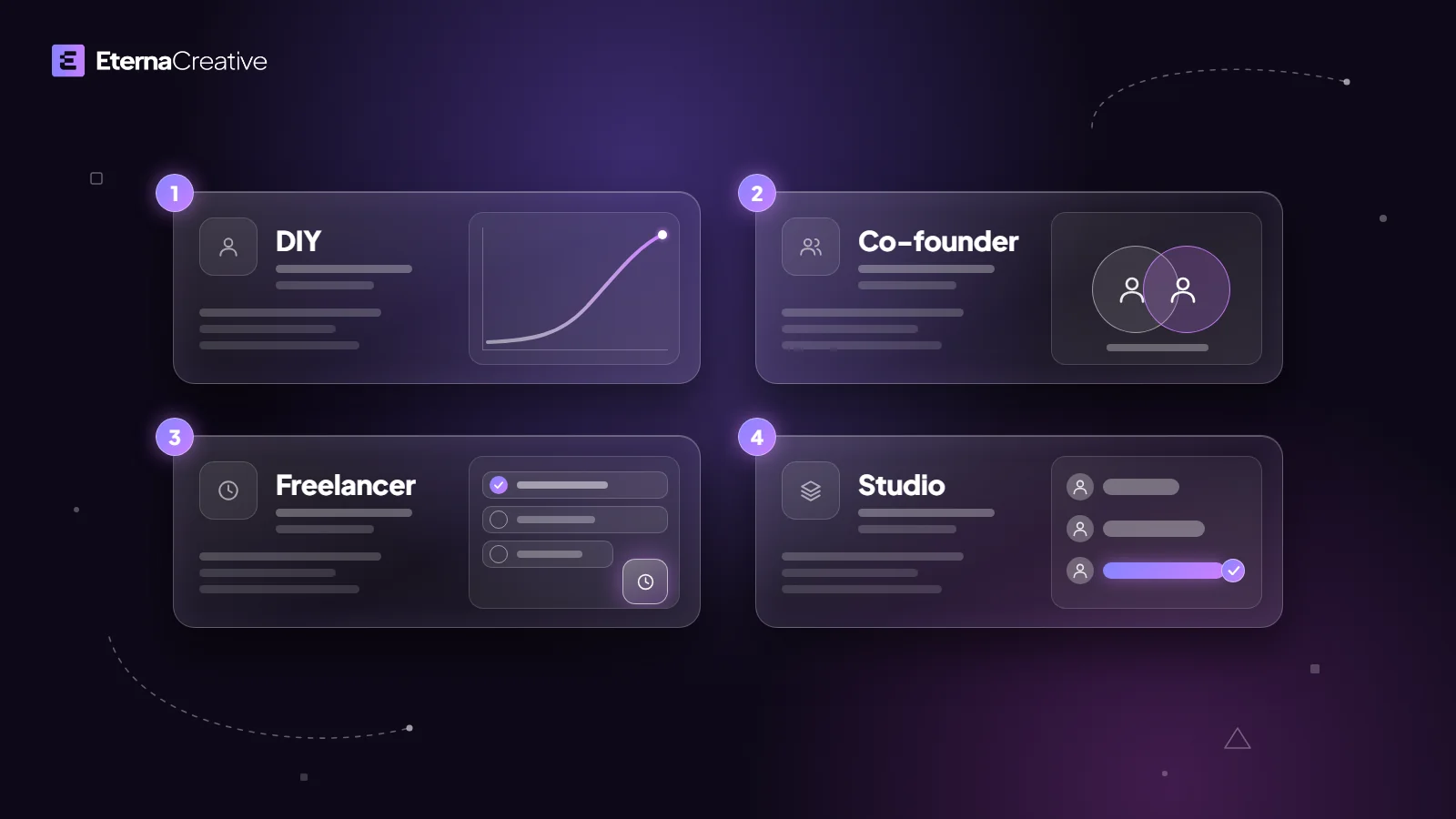
The full comparison is in no-code vs custom code vs vibe coding. If you are choosing who builds, compare DIY, freelancer and studio. If you already have a Bubble app and are hitting its limits, see how rescue works.
What it costs
Application work starts from €3,000, and a full product from €8,000, at a fixed price for the scope we agree. The Blueprint is free. The product cost calculator gives a first pass for applications, automations and websites. Exact scope and price land on the call.
FAQ
How long does it take to build a Bubble app? Often 4-6 weeks for a focused first version with us. Scope decides the rest: roles, payments, integrations and a data import each add time.
Can a first version be done faster? A thinner one can. Cut scope before you compress the process. One feature that proves the product is a valid version one.
What slows a build down most? Scope that changes mid-build and decisions that arrive late. A written scope and one named decision-maker prevent both.
When does the clock start? Once scope, price and timing are agreed in the Blueprint. The Blueprint is free.
Does custom code instead of Bubble change the timeline? For a thin scope, often not by much. Ownership is the difference, not speed. The comparison is in no-code vs custom code vs vibe coding.
What happens after launch? After delivery, 2 weeks are free: 1 week of testing and 1 week of fixes. Ongoing maintenance and support are scoped on the call.
How much does an app cost? Application work starts from €3,000 and a full product from €8,000, at a fixed price for the scope we agree.
Your next step
A timeline is only useful once scope is written down. Estimate scope with the product cost calculator, or book a free strategy call and we will tell you whether your list fits a focused first version, or whether you should cut first. To see how we build applications, start with our application service.