TL;DR
- Automate the funnel stages that burn hours, not “AI for lawyers” as a vibe.
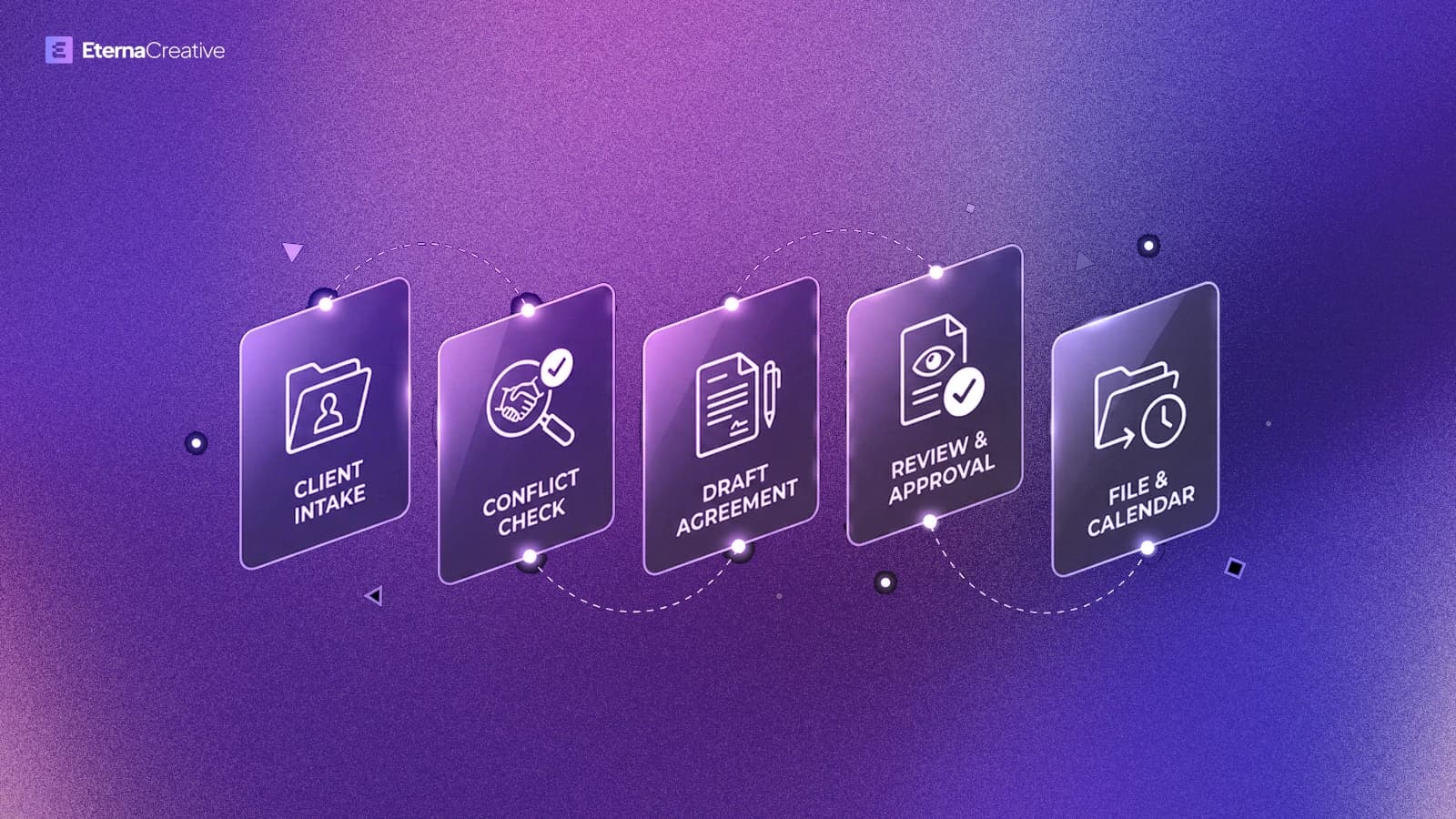
- Start with capture and acknowledgement, then fit/conflict, then document packs, then status, then deadline watch.
- AI prepares the file; the lawyer decides. Approval stays human where judgment matters.
- Run the law firm operations diagnostic before you buy another tool. Book a free automation audit when you want real numbers.
Why order beats volume
Firms that try to automate twenty processes in month one usually automate noise. The monthly Digital Operations model is one build in progress — which means the sequence matters more than the wishlist.
We walk Attract → Capture → Quote → Onboard → Deliver → Status → Support → Bill → Deadlines. The five below are the usual first wins for practices drowning in email and last year’s Word file.
1. Same-day intake acknowledgement
Enquiries sit in a shared inbox until someone has time. After-hours wait until morning. There is no automatic “we got it.”
Build: structured capture from web or email, same-day acknowledgement, fields that land in the system of record — not a second spreadsheet.
Why first: every later automation is weaker if the matter starts as an unread thread.
2. Conflict / fit that isn’t in someone’s head
Qualification lives in memory. Conflict checks are remembered, not systematic. Slow response loses the work.
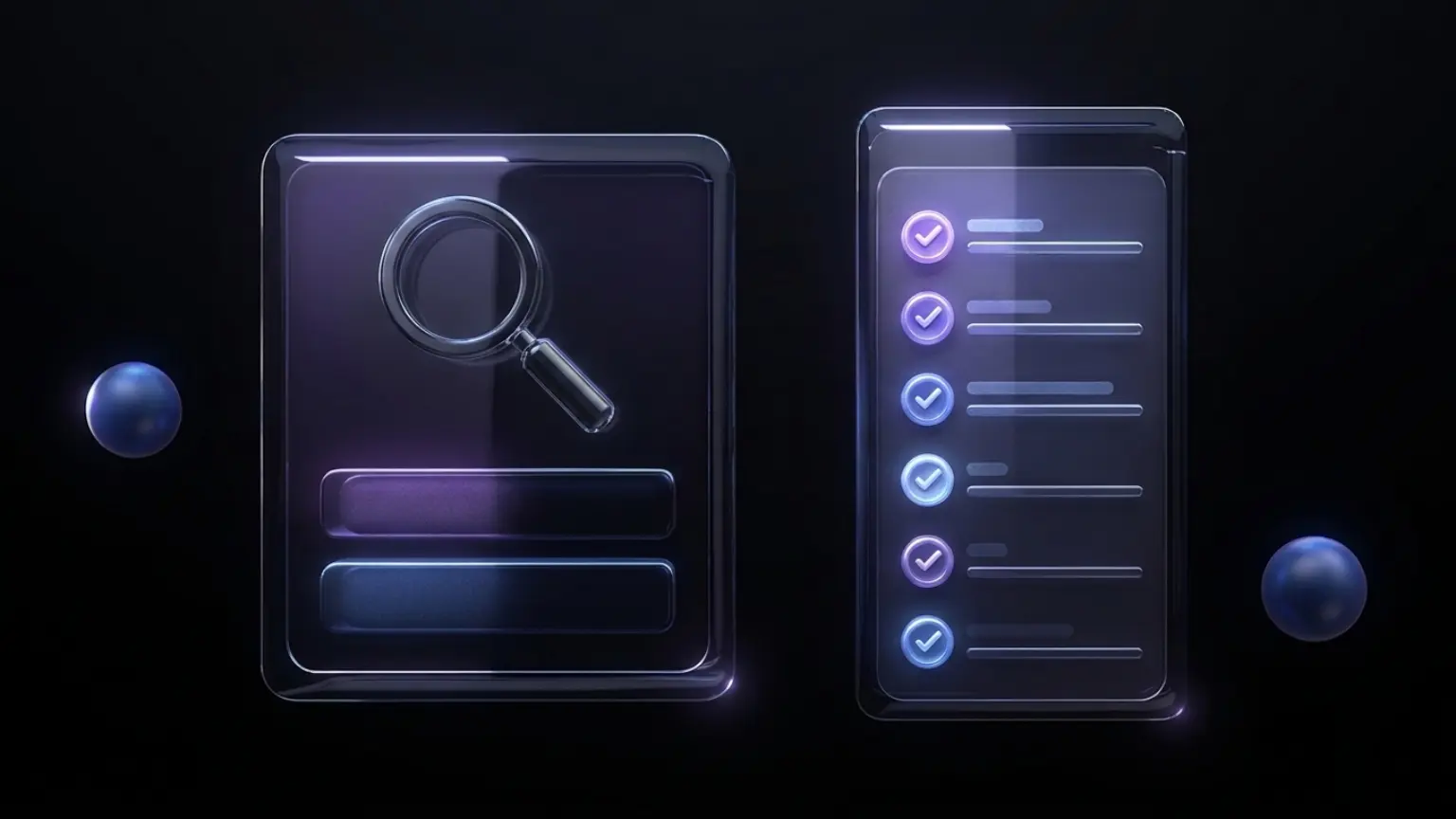
Build: a lightweight fit / conflict checklist that runs before a lawyer spends billable time guessing. The lawyer still decides who to take.
Why second: you stop spending senior hours on matters you should have declined on day one.
3. Document and pack assembly
Packs start by copying an old file and hoping clauses are current. Local court forms are filled by hand. The same facts get entered in more than one place.
Build: firm-template and local-form assembly with lawyer approval before anything leaves the firm.
Why third: this is where hours hide — and where “AI prepares; lawyer decides” is literal.
4. Status without rewriting the same reply
“Where is this?” eats the day. Updates are sent manually. Clients have no place to see progress themselves.
Build: status answers from the matter record, and — when it fits — a client view so obvious questions never become email.
Why fourth: delivery quality is already there; communication debt is what burns the team.
5. Deadline and exception watch
Deadline tracking depends on someone remembering. Exceptions surface too late. Handoffs live in chat and get lost.
Build: watches and alerts before something is already late — not another dashboard nobody opens.
Why fifth: once intake and packs are cleaner, exception noise becomes visible instead of constant.
What not to automate first
- Replacing lawyer judgment with a chatbot that “answers legal questions.”
- Twenty parallel builds because the backlog is fat — that is months of program work, not week one.
- Personal GenAI tips dressed up as firm automation. Firm systems need ownership, logging, and approval.
Map your funnel next
Tick what still happens by hand across Attract → Bill. The public diagnostic gives rough hours in 40 / 70 / 90% bands at a €20/h planning rate — not a full audit.
Run the law firm diagnostic · Download the checklist (.md) · Evidence brief (.docx) · Book a free automation audit
More on the program: Digital Operations for law firms.